Common Paint Failures Caused by Poor Surface Preparation
As a painter in the business, Windsor Painting Company has found it beneficial to inform our customers about the importance of a paint job by saying it is 80% preparation and 20% paint application.
PAINTING
12/16/20252 min read
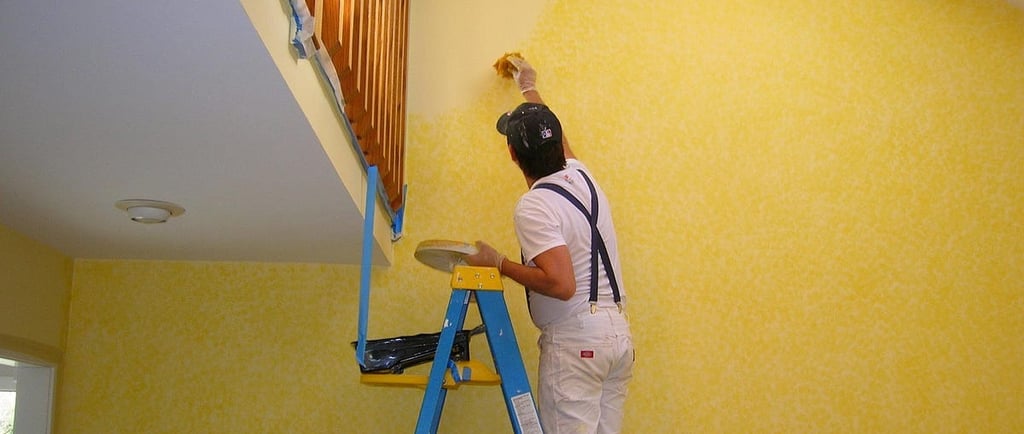
Homeowners think about final color first when it comes to renovating. But in the world of paint, the final color is just the finishing touch. What homeowners are not thinking about, what experts know, is the area behind the paint, where the hard part of paint job is, where the key is to make it last not one but ten years.
As a painter in the business, Windsor Painting Company has found it beneficial to inform our customers about the importance of a paint job by saying it is 80% preparation and 20% paint application. Yet, if these 80% elements are ignored or hurried, it is nearly always considered a "paint failure."
1. Peeling or Flaking:
The Role of Contaminants:
The peeling effect is usually caused by what is commonly referred to as a "dirty" surface. In a house or building that is usually occupied, a layer of dust, skin oils, and spider webs forms. If paint is applied directly onto such a surface, it usually bonds well with the dirt. The resulting paint then dries and shrinks. During this process, it usually peels off due to tension.
The 'Slick' Surface Problem:
Adhesion will also fail when the surface is too smooth. This is especially true when painting a piece of high gloss trim or a factory-finished cabinet with paint unless you scuff sand the surface first. Then the new paint will have something to adhere to. This is why Windsor Painting Company will sand every glossy finish to a dull matte finish.
Blistering and Bubbling:
Moisture Entrap:
If painted on a moist surface or even if seemingly dry, over time that moisture is going to try to get out. With heat from the sun or from inside heating, that water will turn to vapor. This vapor pressure is pushing against this paint layer, forming a bubble, or a blister. This is precisely why professionals from the Windsor Painting Company will take the step of ensuring through moisture meters that wood or masonry is indeed dry before we start painting.
Alligatoring and Checking:
Layer Incompatibility:
Alligatoring typically occurs when a harder, more brittle topcoat of paint is applied over a softer, more flexible base coat of paint. One of the classic examples of alligatoring would be the application of high-quality, but brittle, oil-based paint on a flexible latex primer coat of paint. Conclusion:
It's tempting to believe that painting is something that we can do ourselves. The truth of the matter is that there is a lot of chemistry and physics that goes into painting that we simply aren’t aware of, and that goes way beyond just getting paint where we want it. At Windsor Painting Company, let us do all of the grunt work of preparation so you can rest with peace of mind knowing you have gotten the best. Contact Windsor Painting Company today for your free, customized estimate.